Powering Possibility, One Community at a Time
In many rural parts of Nigeria, nightfall used to mean silence and darkness. Families gathered around smoky kerosene lamps, children struggled to do homework, and small shops shut down as soon as the sun dipped below the horizon. Running a business beyond daylight hours was almost impossible.
Today, those same communities are beginning to tell a different story. With the deployment of solar-powered mini-grids by Turbo Energy, homes are lit, schools can extend learning into the evening, and clinics are powered well enough to refrigerate vaccines and operate after dark. For many, this shift feels less like a luxury and more like finally catching up with the rest of the world.
The Power Gap in Nigeria
Nigeria’s power deficit remains one of the largest in the world. The World Bank estimates that 85 million Nigerians—43 percent of the population—lack access to grid electricity. Even those connected to the grid face constant blackouts, often turning to costly diesel and petrol generators.
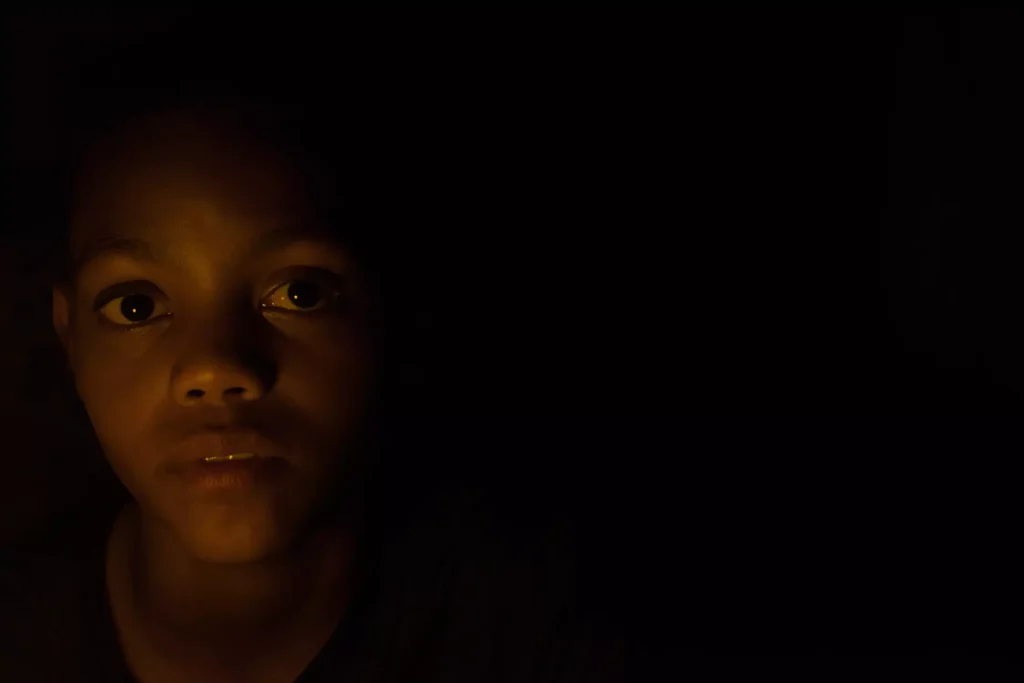
The price tag for this dependence is staggering, with the economy losing an estimated $29 billion annually in productivity and costs.
In rural areas, the problem runs deeper. Connecting villages to the national grid is often unfeasible, leaving households and businesses in the shadows. Without electricity, health centres cannot preserve essential medicines, schools cannot adopt digital learning, and local businesses cannot grow.
Turbo Energy’s Mini-Grid Approach
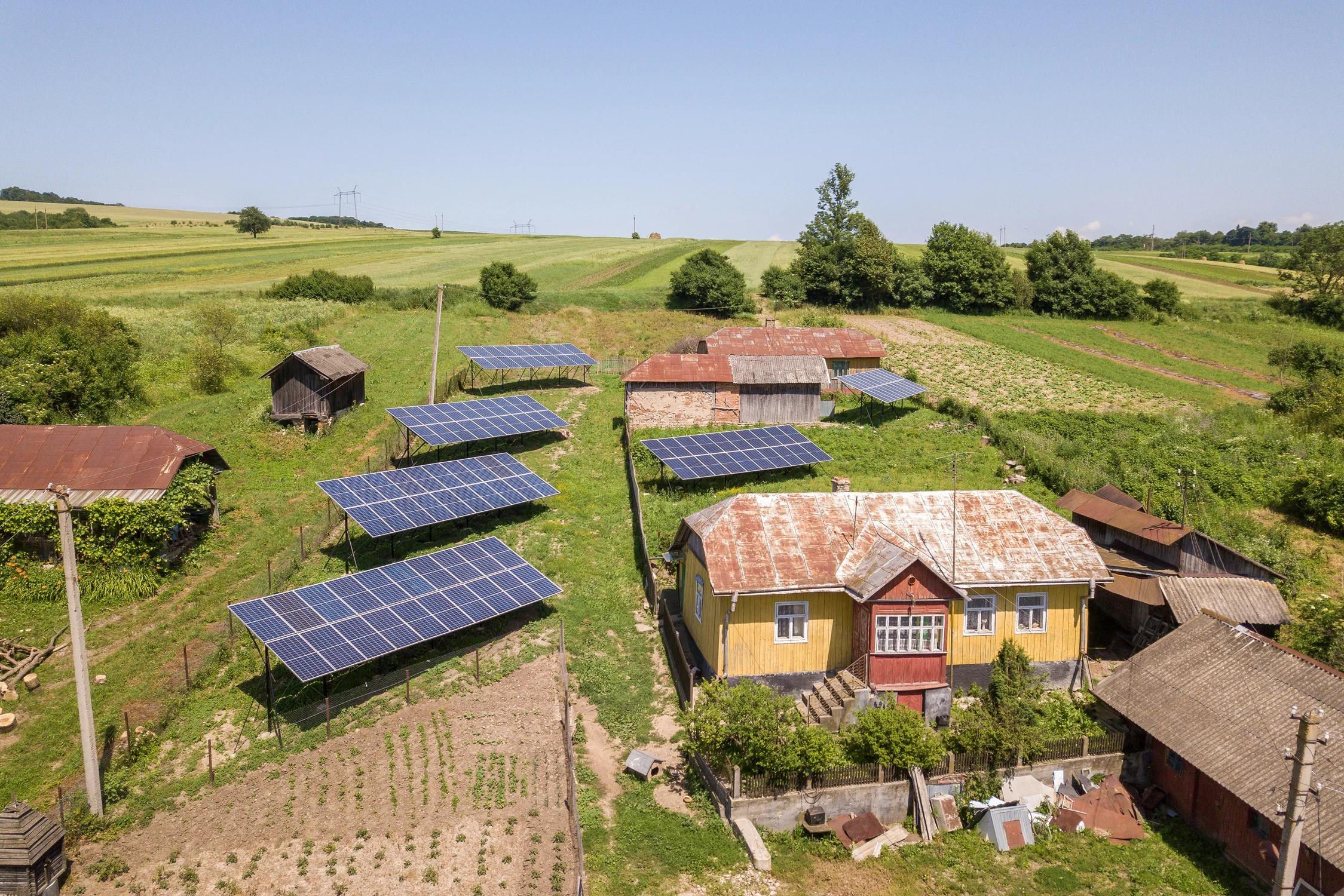
This is where Turbo Energy is stepping in with solar-powered mini-grids tailored for rural communities. These aren’t abstract solutions; they’re practical systems that work where traditional infrastructure cannot.
The benefits are tangible:
- Reliable electricity that allows people to plan their days without the constant fear of outages.
- Clean energy that reduces the health and environmental costs of kerosene lamps and diesel generators.
- Affordable access through flexible payment systems, enabling even low-income households to enjoy consistent power.
- Community resilience where clinics can keep life-saving vaccines cold, schools can extend hours, and entrepreneurs can run small businesses sustainably.
What This Means in Real Life
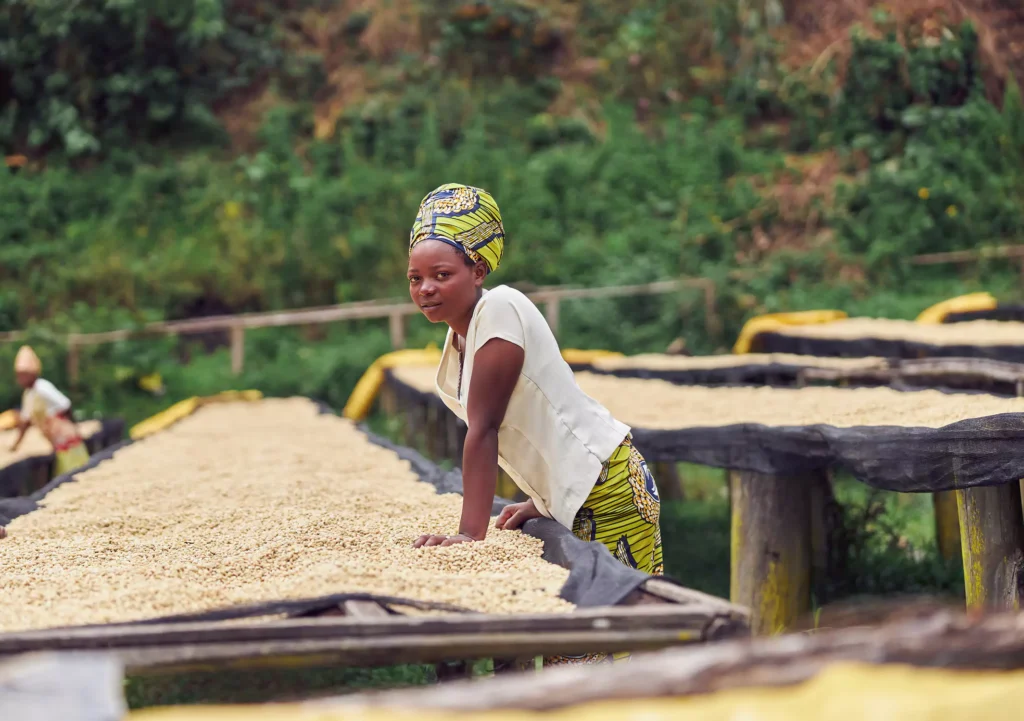
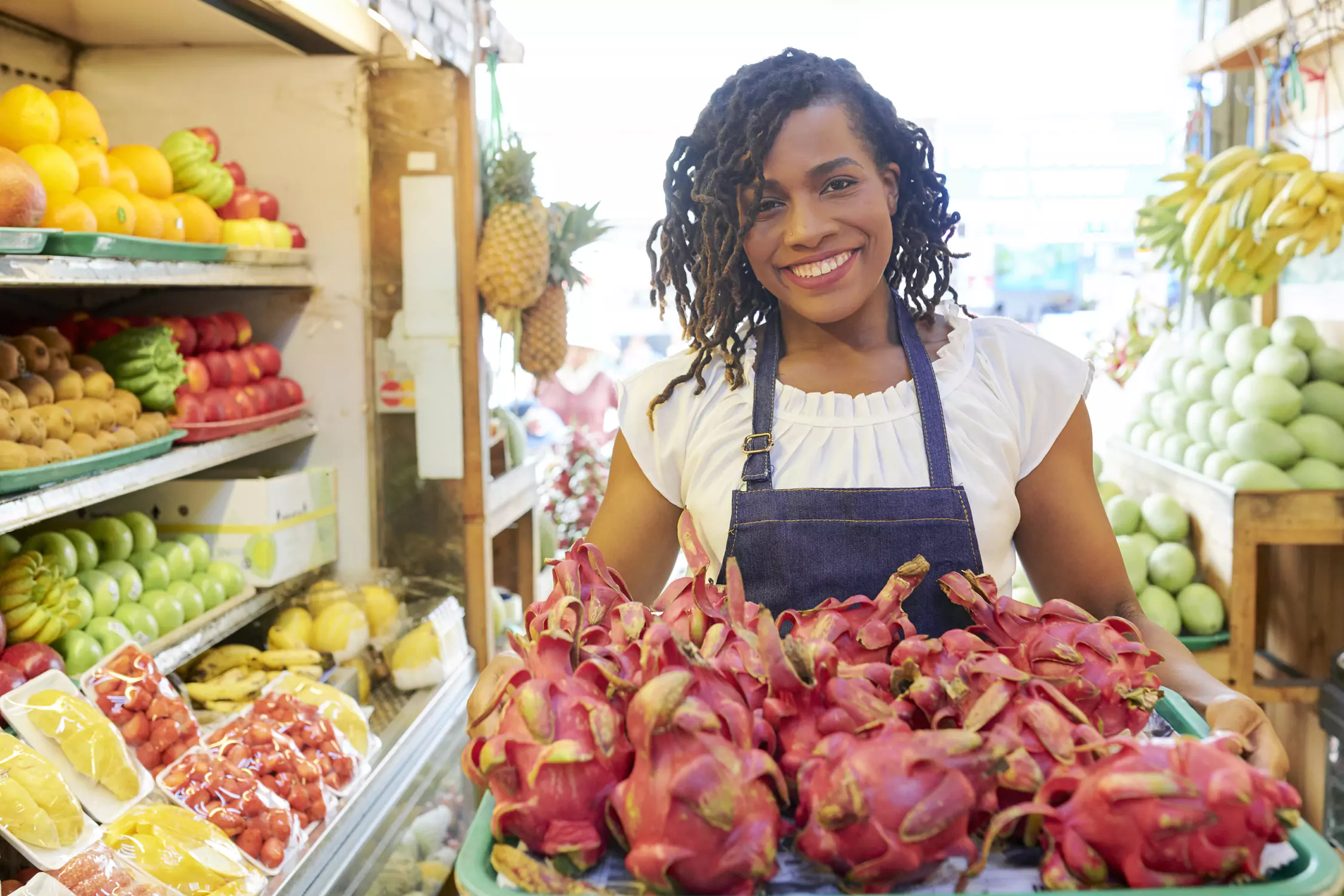
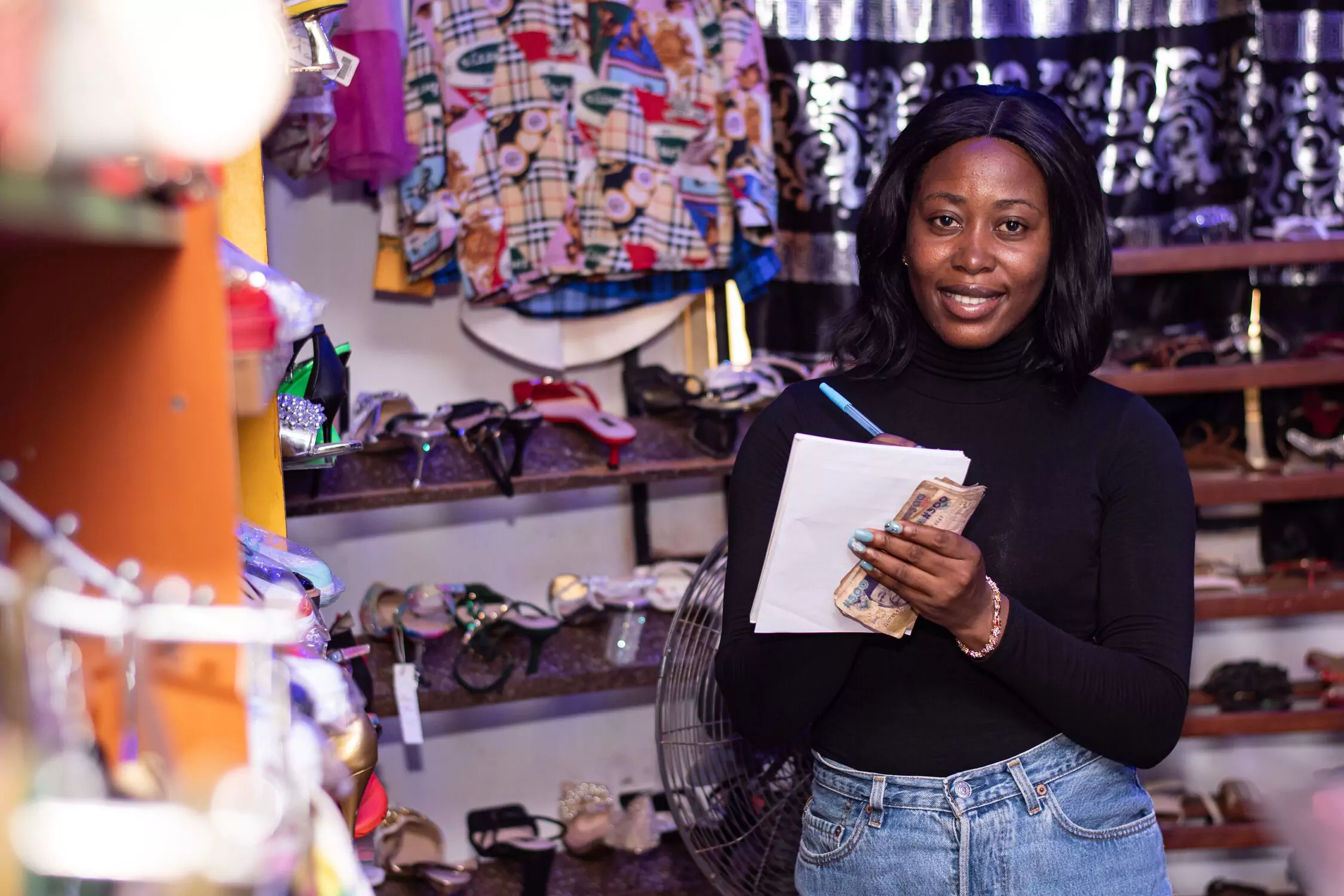
Consider a farming village where women used to travel hours to grind grain using expensive, fuel-driven machines. With local electric-powered mills connected to our mini-grids, the process is faster, cheaper, and closer to home. Or take a small roadside shopkeeper who once closed at sunset. Today, with affordable solar power, they can keep the lights on, sell cold drinks from a fridge, and increase daily earnings.
Healthcare centres tell a similar story. Where once midwives struggled to deliver babies under torchlight, they now have stable power for equipment and lighting—making births safer and less stressful.
Beyond Power: Building Futures
At Turbo Energy, we believe electricity is more than just power. It is the foundation for education, healthcare, business, and ultimately, dignity. Every mini-grid we deploy contributes to local growth, fuels entrepreneurship, and helps communities become self-sufficient.
This work also ties into global efforts, particularly the UN Sustainable Development Goal 7: access to affordable, reliable, and sustainable energy for all. By lighting up rural Nigeria, we are contributing to a vision of inclusive development that stretches far beyond individual communities.
Why It Matters
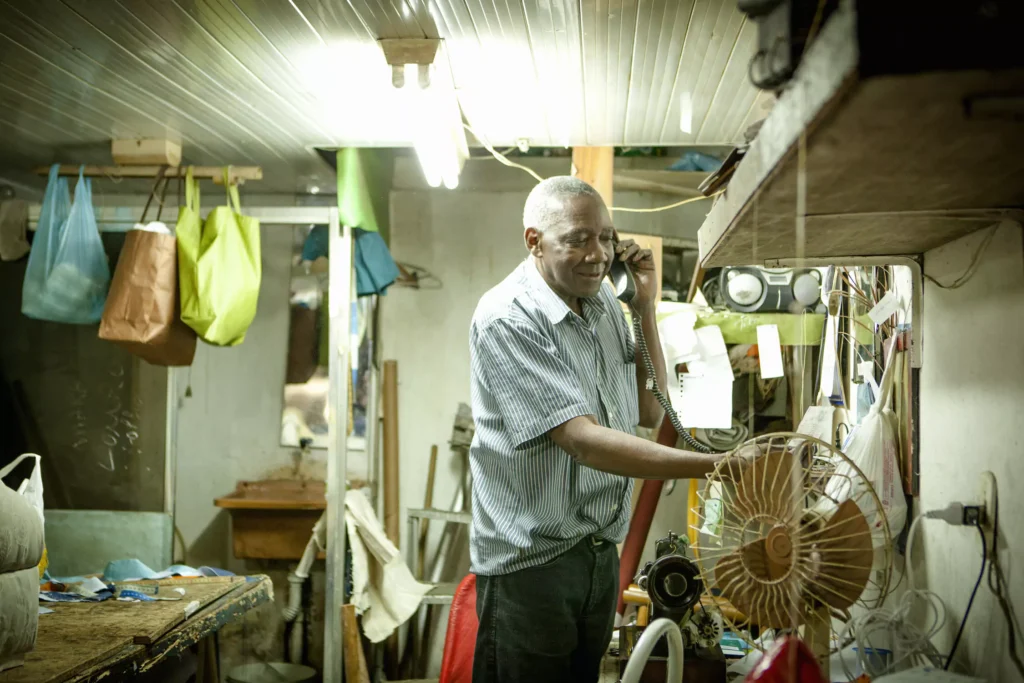
Reliable electricity changes everything. It reduces reliance on unsafe fuels, makes communities healthier, boosts small businesses, and creates pathways for education. For rural Nigeria, solar mini-grids are not just about turning on the lights—they’re about creating opportunity, reducing inequality, and building a future that is sustainable for generations to come.
What’s Next
Turbo Energy plans to scale this initiative to more rural communities across Nigeria and West Africa. By pairing local insight with innovative clean energy systems, we are laying the foundation for an Africa where no community is left in the dark.